
Imagine yourself standing on a cliff in Greece. Under you, the sea is vast. The wind is fierce, the surf pounds the rocks. People once stood long ago in this very position, and their souls felt so little. They gazed at the sea and thought a mighty god lived in it.
Now picture yourself strolling down a street of an olden day city and catching people listening to Apostle Paul talk about the one loving God. These two times seem very different—but they are both Greece.
And that is what makes Greece so special. It’s a place where ideas evolved at a glacial pace, cautiously and profoundly. It is a place where men and women looked for meaning in their lives centuries before the coming of Christianity – and where it found deep roots.
Today, travelers can still experience this journey. A tour to the Temple of Poseidon helps us understand ancient Greek faith. Christian tours in Greece help us understand how Christianity entered this land and changed lives forever.
This is not just history. It is a human story.
Greece Has Always Been a Land of Belief
From the outset, the people in Greece thought that the world was charged with invisible potency.
They felt it in the wind.
They heard it in the sea.
They saw it in storms, sunshine, and earthquakes.
They did not have science the way we do today, so they explained the world through stories. These stories became religion.
Parents were telling their kids about gods. Grandparents would tell these stories down. Faith wasn’t a separate — it was part of daily life, like eating or working.
When Christianity later arrived, it spoke to the same human need—to understand life, pain, love, and hope.
The Gods Who Ruled Everyday Life
Ancient Greeks believed in many gods, and each god had a personality.
- Zeus ruled the sky and punished wrongdoing
- Poseidon controlled the sea and caused storms
- Athena guided wisdom and learning
- Apollo brought light, music, and truth
People believed these gods acted like humans. They could be kind one day and angry the next. Because of this, people lived carefully, always trying not to upset them.
Children grew up hearing exciting stories about battles between gods, heroic journeys, and powerful creatures. These stories shaped how they understood the world.
Religion felt alive—but it could also feel uncertain and fearful.
Why Temples Were So Important
To stay close to the gods, people built temples.
Temples were not just beautiful buildings. They were places of safety, prayer, and hope.
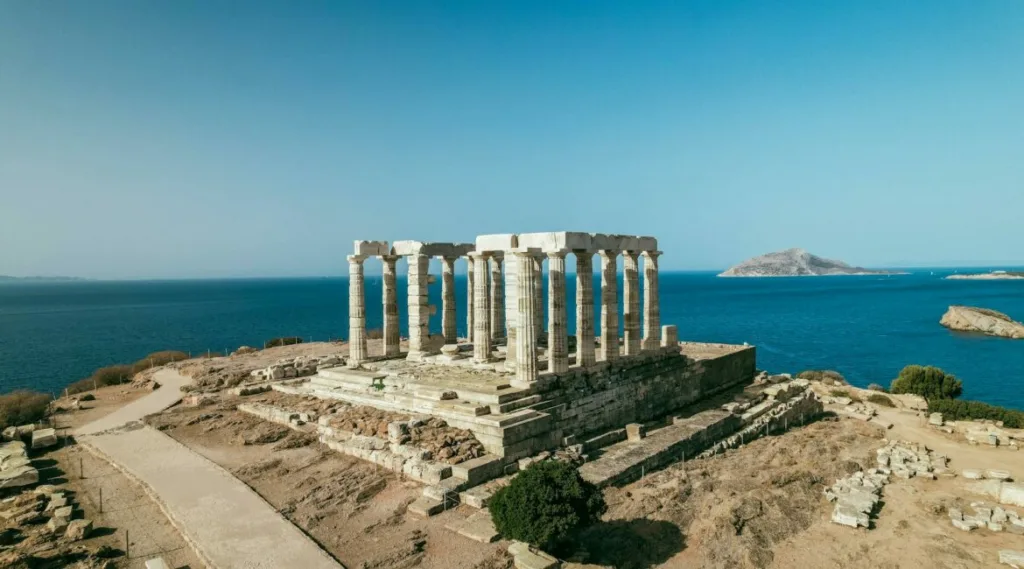
The Temple of Poseidon at Cape Sounion is one of the best examples. It stands high above the sea, where sailors could see it from far away. For them, it was a sign of protection.
Even today, when people take a tour to the Temple of Poseidon, they often feel the same wonder. Guides explain how sailors prayed here before dangerous journeys and thanked the god when they returned safely.
Families came to temples together. Children learned by watching adults pray. Belief was shared, not taught from books.
A Quiet Feeling That Something Was Missing
Greek culture was advanced. People studied philosophy, art, and science. But even with all this knowledge, many people still felt unsure.
They asked questions like:
- What happens after death?
- Does anyone truly care about us?
- Is there peace beyond this life.
Greek religion had many rules and rituals, but it did not always offer comfort. Gods could be distant and unpredictable.
Many hearts were still searching—for peace, for meaning, for love that did not change.
A New Message Arrives in Greece
Christianity entered Greece quietly, through people—not buildings.
A man named Apostle Paul traveled across Greek cities. He walked on dusty roads, spoke in markets, and visited homes.
He did not speak about many gods. He spoke about one God who loved everyone—rich and poor, young and old.
This idea surprised people. Some found it hard to believe. Others felt hope for the first time.
Christianity did not spread through force. It spread through conversation and connection.
Speaking About God in Athens
In Athens, Paul spoke at Mars Hill, where thinkers gathered.
He spoke about a God who created the world and did not need statues or temples made by humans.
Some people laughed.
Some were confused.
Some listened quietly.
This moment shows something important: Greece was a place where ideas were shared openly. Christianity was allowed to speak—even when it challenged old beliefs.
Corinth: Faith Finds a Home
Corinth was busy, noisy, and full of life. Paul stayed here for a long time.
He taught people about love, patience, and forgiveness. He taught that everyone matters equally in God’s eyes.
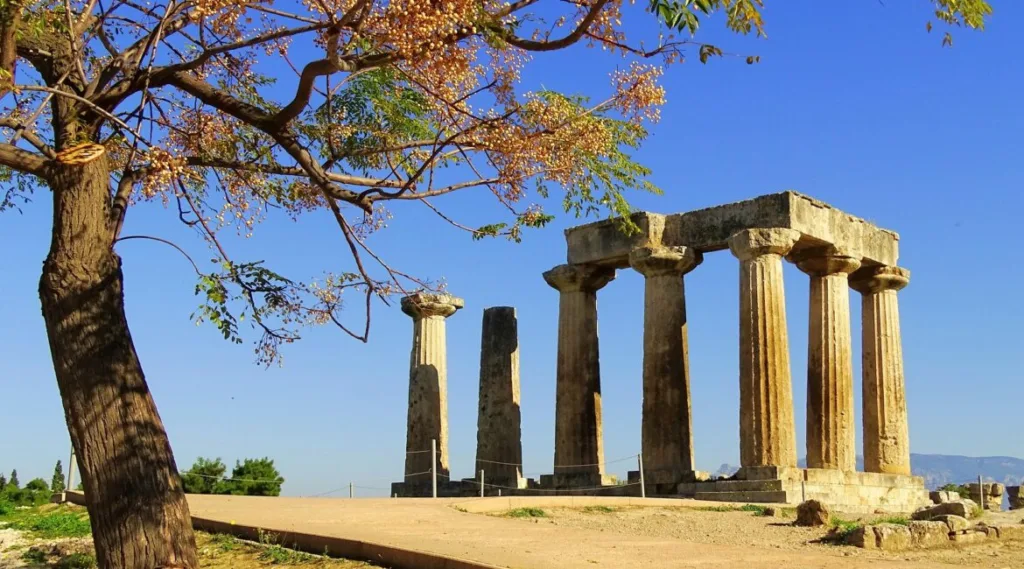
Today, many Christian tours in Greece visit Ancient Corinth. Standing there helps people understand that Christianity began with regular people—families, workers, and travelers.
Faith did not grow overnight. It grew through relationships.
From Fear to Hope
The biggest change Christianity brought was emotional.
Greek religion often focused on fear—fear of angering the gods.
Christian faith focused on hope—hope of forgiveness and love.
People slowly noticed this difference. They felt comfort in the idea of one God who cared deeply.
Over time, belief changed. Temples became less important. Churches became gathering places.
The change was slow, but it was real.
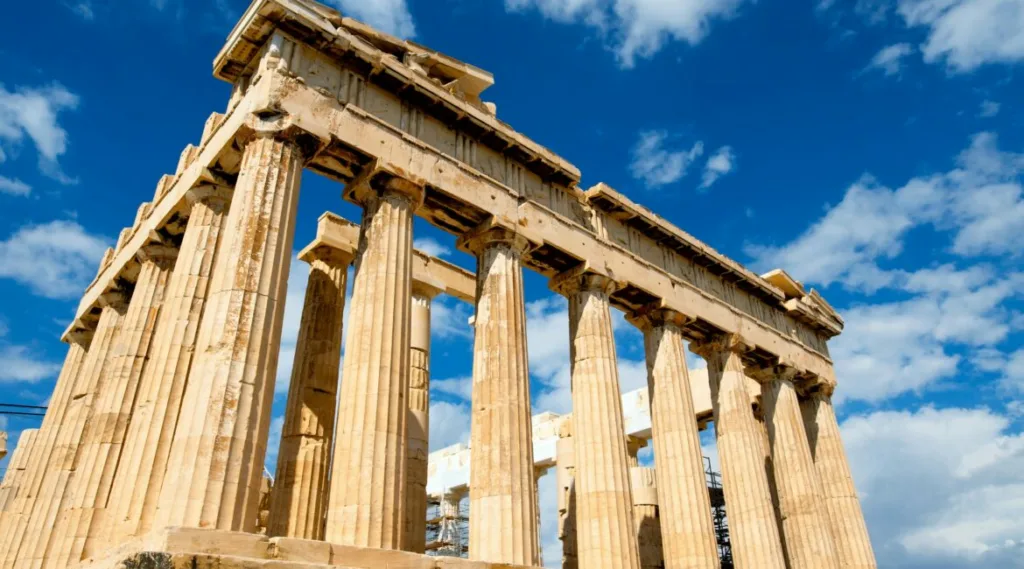
Walking Through Two Belief Systems Today
Greece does something very special. It keeps its past visible.
You can:
- Visit ancient temples on a tour to the Temple of Poseidon
- Walk through cities included in Christian tours in Greece
Seeing both helps people understand that faith evolves. It also teaches respect for history.
For families, this makes learning easy and meaningful. Children understand better when they see real places.
Monasteries: Quiet Places of Faith
As Christianity grew, monasteries became places of peace.
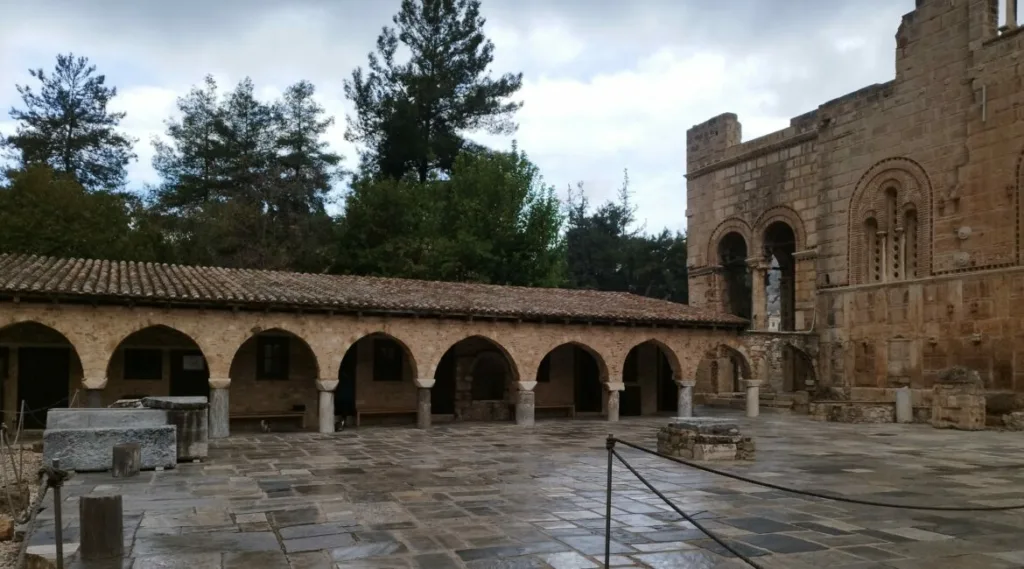
Monks lived simply. They prayed, studied, and helped others. They protected Christian teachings during difficult times.
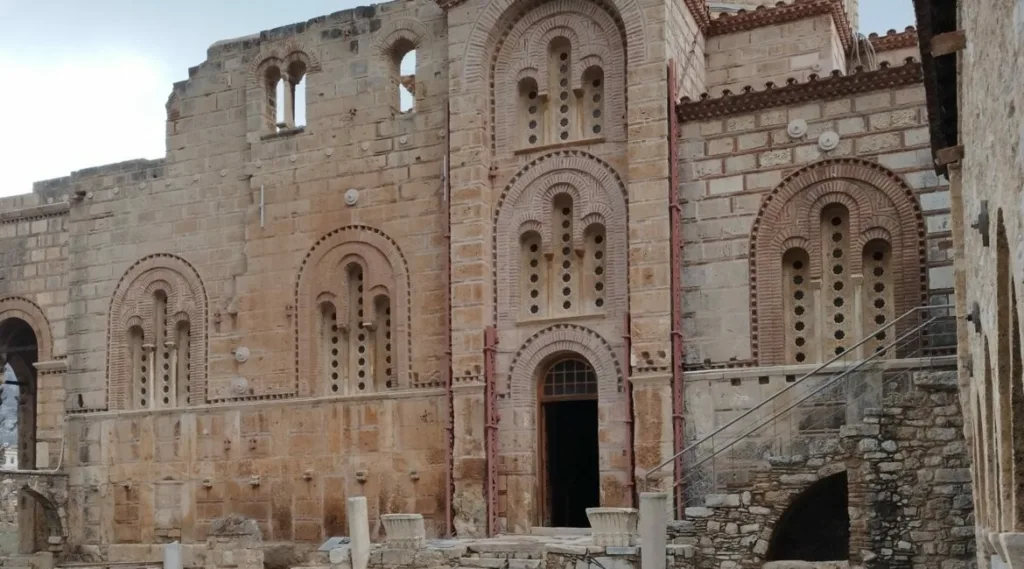
The Monastery of Daphni is one example. Its beautiful mosaics tell Bible stories through pictures, helping everyone understand—young and old.
Monasteries helped Christianity become part of everyday Greek life.
What Families Learn from Greece
Greece teaches lessons that stay with families long after the trip ends.
Children learn:
- Beliefs change slowly
- History is made by people
- Faith is deeply human
Parents learn that travel can be one of the best teachers.
This is why Greece works so well for family and faith-based travel.
Why Faith Travelers Feel Drawn to Greece
Many people choose Christian tours in Greece because the Bible feels more real here.
When you see the places where early Christians lived, Scripture feels closer and clearer.
At the same time, cultural experiences like a tour to the Temple of Poseidon help travelers understand what life was like before Christianity.
Together, these experiences tell the full story.
Greece: A Bridge Between Old and New
Greece does not hide its past.
Instead, it shows how beliefs grow, change, and guide people. It teaches us that faith is a journey, not a sudden moment.
This makes Greece a place of understanding and reflection.
Why This Story Still Matters Today
The story of Greece teaches patience.
Change takes time.
Listening matters.
Respect builds understanding.
These lessons are just as important today as they were thousands of years ago.
Conclusion: A Human Story Written in Stone
Greece is not just about ruins and tours. It is about people searching for the truth.
From the sea god Poseidon to the message of Christ, Greece shows how faith touches human hearts across time.
Whether you join a tour to the Temple of Poseidon or explore Christian tours in Greece, you are walking through one of the world’s greatest stories of belief.
FAQs
1. Why is Greece important to Christian history?
Because Apostle Paul preached there, and early churches began there.
2. Can families visit both ancient and Christian sites?
Yes, many tours are designed for learning and comfort.
3. What does a tour to the Temple of Poseidon show?
It explains ancient Greek beliefs and sea worship.
4. What do Christian tours in Greece focus on?
They focus on Apostle Paul, biblical history, and early Christianity.
5. Is this easy for children to understand?
Yes, it uses simple language and real-life examples.